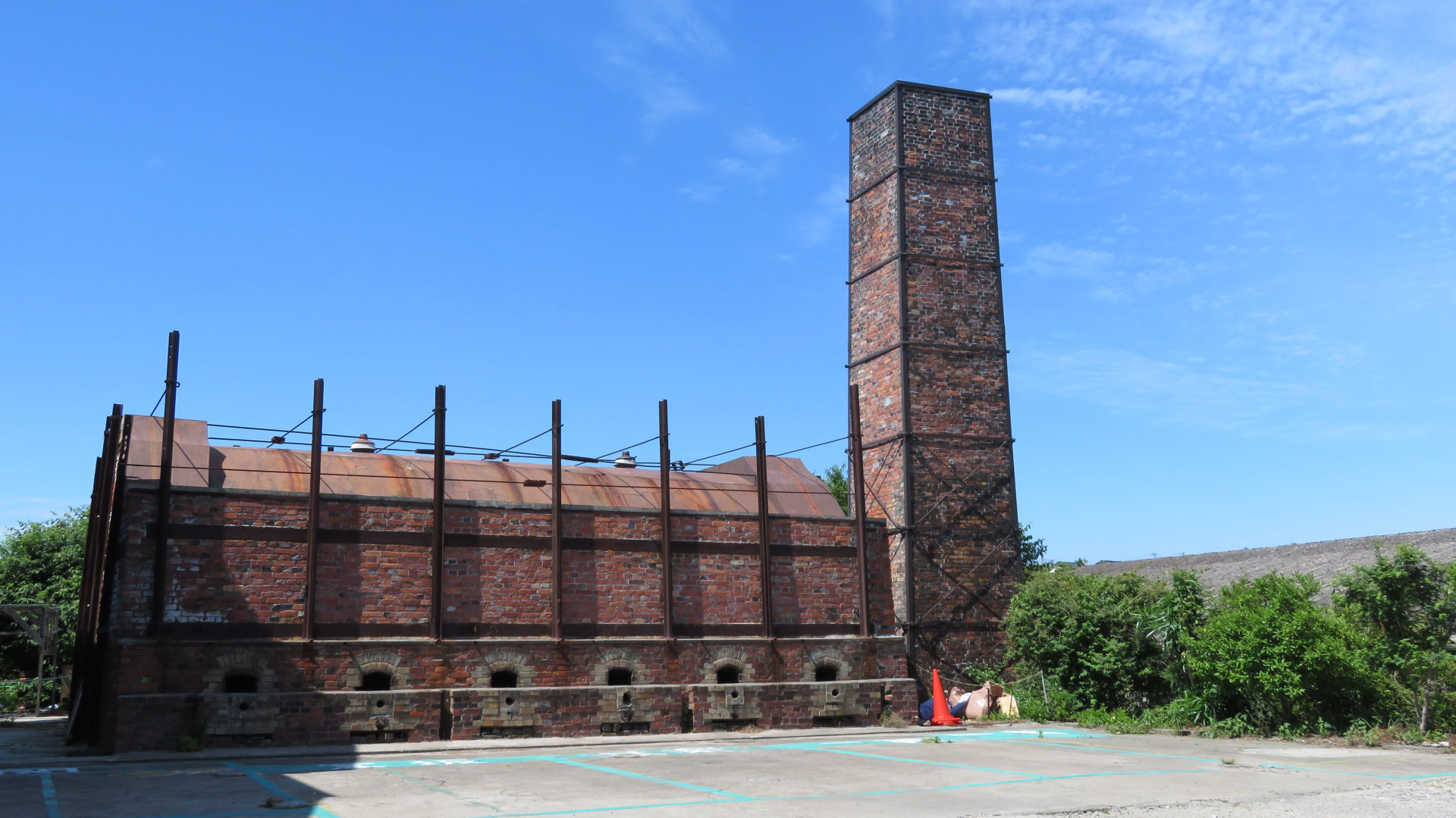
Walking around Tokoname City in Aichi Prefecture, you’ll find pottery almost everywhere you look: reddish-brown teapots displayed in shop windows, giant maneki-neko lucky cats, slopes built with old ceramic pieces, and historic kilns and chimneys still standing throughout the town.
Tokoname is one of Japan’s most famous pottery towns and the home of Tokoname ware, a ceramic tradition with a history of about 1,000 years.
In this guide, we’ll introduce Tokoname ware from a local perspective, including:
- What Tokoname ware is
- Why Tokoname developed into a major pottery town
- What to buy if you’re interested in Tokoname ware
- Where you can actually shop for it
- How to enjoy Tokoname in a short amount of time from Chubu Centrair International Airport
Whether you simply want to learn more about Japanese ceramics or you’re hoping to take home a piece of pottery made in Japan as a souvenir from your trip, Tokoname is well worth exploring.
Take your time and see if you can find a piece of Tokoname ware that feels just right for you.
(自分の持っている常滑焼の画像)
 chita local guide
Tokoname ware isn’t something only tourists buy. Local people use it in everyday life too. As you walk around Tokoname, keep an eye out for a piece that you’d be happy to use back home.
What Is Tokoname Ware? 3 Things to Know First
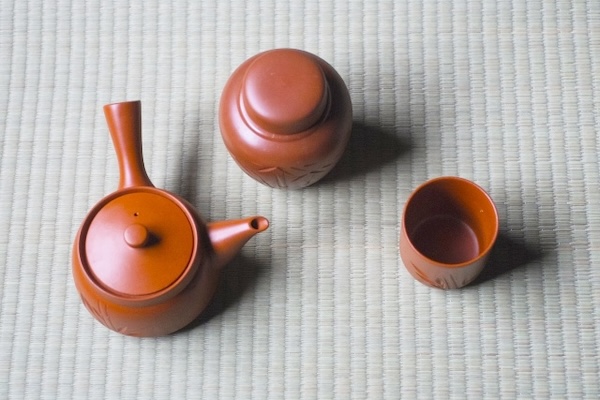
Tokoname ware is pottery produced mainly in Tokoname City, Aichi Prefecture.
Its history stretches back about 1,000 years. Tokoname has clay well suited to pottery making, and over the centuries the area has produced a wide variety of ceramics, including jars, large storage vessels, teapots, tableware, and more.
If this is your first time learning about Tokoname ware, these are the three main things to know.
1. Tokoname Is One of Japan’s Six Ancient Kilns
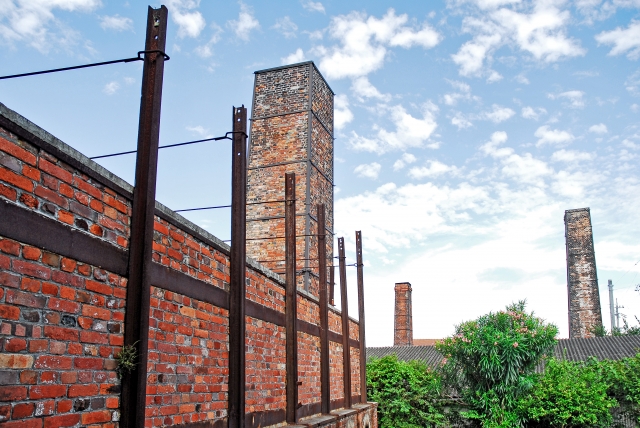
One of the most remarkable things about Tokoname ware is its long history.
Large-scale pottery production in Tokoname is believed to have begun in the early 12th century, near the end of Japan’s Heian period.
Tokoname is one of the Six Ancient Kilns of Japan, together with Echizen, Seto, Shigaraki, Tamba, and Bizen.
The Six Ancient Kilns are six major pottery-producing regions where ceramic production has continued from medieval Japan through to the present day.
Their history and culture have been preserved for centuries, and the story of the Six Ancient Kilns has also been recognized as part of Japan Heritage.
2. Tokoname Has Clay Well Suited to Pottery Making
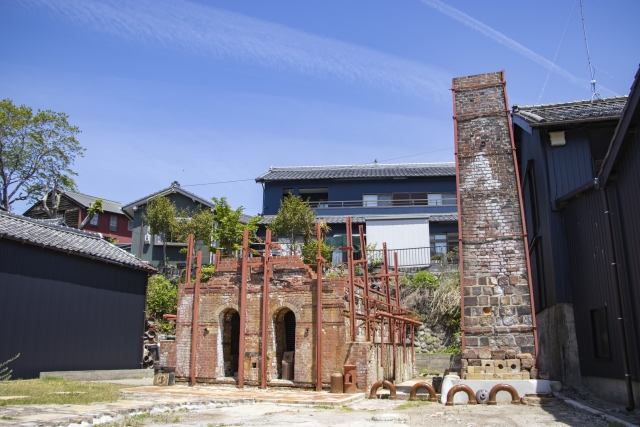
Another major reason pottery developed in Tokoname is the local clay.
The area around Tokoname has extensive deposits of clay suitable for ceramics.
Tokoname clay contains a relatively high amount of iron and can become dense and resistant to water even when fired at comparatively low temperatures.
People have taken advantage of these characteristics for centuries.
Early production included bowls and other everyday ceramics. Later, Tokoname became known for large jars and storage vessels, followed by ceramic pipes, tiles, flowerpots, and many other products as the needs of society changed.
3. Tokoname Is Famous for Teapots and Maneki-Neko
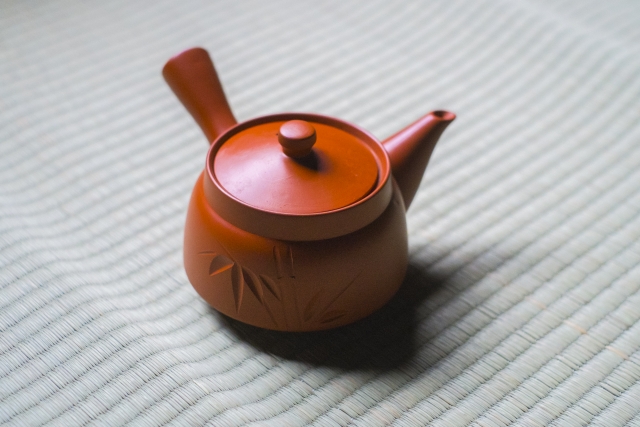
One of the best-known products of modern Tokoname ware is the Japanese teapot, or kyusu.
Especially famous are shudei kyusu, reddish-brown teapots made using iron-rich clay.
Teapot production in Tokoname developed particularly during the late Edo period in the 19th century, and many craftspeople and ceramic artists continue to make them today.
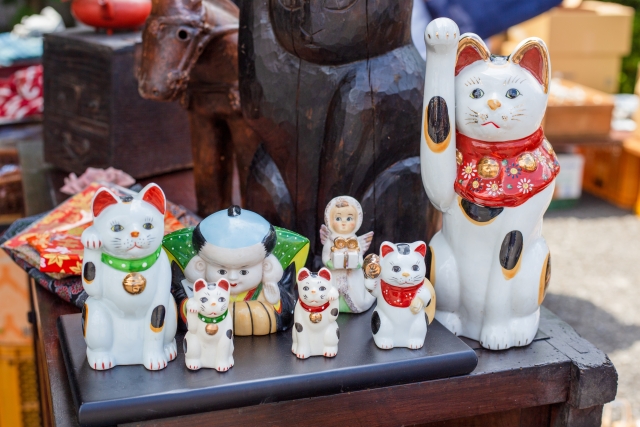
Another thing you’ll see all over Tokoname is the maneki-neko, or lucky cat.
These cat-shaped figures raise one paw and are traditionally believed in Japan to bring good fortune, prosperity, or customers to a business.
Tokoname is also one of Japan’s largest production areas for maneki-neko, so you’ll encounter all kinds of lucky cats as you explore the town.
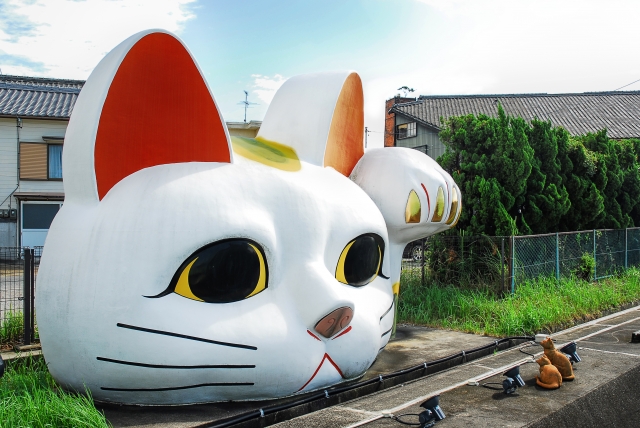
On the way from Tokoname Station toward the Pottery Footpath, you’ll even find Tokonyan, a giant maneki-neko measuring about 3.8 meters high and 6.3 meters wide.
When you see teapots or lucky cats around town, take a closer look — there’s a good chance you’re looking at part of Tokoname’s long pottery culture.
Why Did Tokoname Become a Pottery Town? About 1,000 Years of History
Why did pottery production become so important in Tokoname?
Three things played a major role: clay, landscape, and access to the sea.
Large-scale pottery production began here in the early 12th century, near the end of the Heian period.
As mentioned above, the Tokoname area had plenty of clay suitable for ceramics.
The gently rolling landscape was also well suited to building kilns.
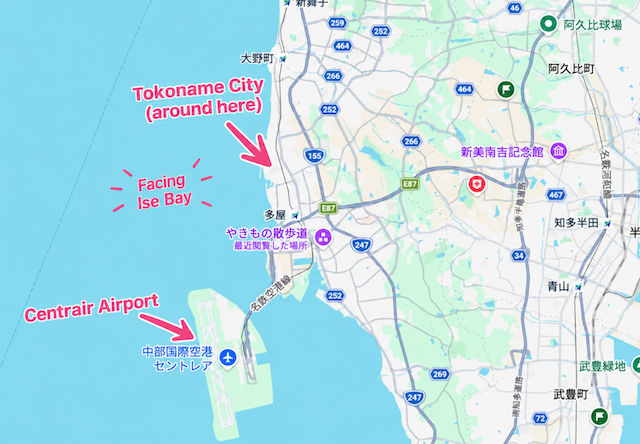
And Tokoname faces Ise Bay.
Before modern trucks and railways existed, transporting large and heavy ceramic products over long distances was difficult.
Tokoname, however, had access to shipping routes by sea. Pottery made here could be loaded onto boats and transported to destinations throughout Japan.
Tokoname therefore had three major advantages:
- Good clay for pottery
- Land suitable for building kilns
- Sea routes that made transportation easier
Together, these conditions helped Tokoname develop into one of Japan’s major pottery-producing regions.
What Tokoname Produced Changed with the Times
Today, Tokoname is strongly associated with teapots, but teapots were not always its main product.
What people made here changed considerably over the centuries.
During medieval Japan, Tokoname was especially known for large jars and storage vessels used for purposes such as indigo dyeing and brewing.
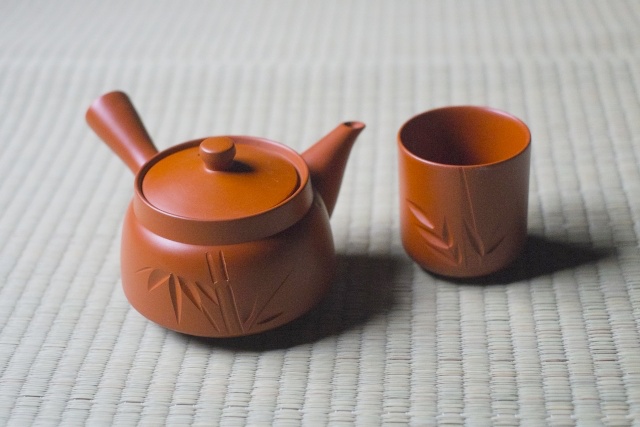
During the Edo period, tea drinking gradually spread beyond the upper classes and became more common among ordinary people.
As tea culture expanded, production of the kyusu teapots now closely associated with Tokoname also grew.
During the Meiji period (1868–1912), Japan modernized rapidly, and Tokoname became a major producer of ceramic pipes needed for developing cities and infrastructure.
Tiles and other architectural ceramics were also produced, meaning Tokoname pottery became part of everyday life and helped support Japan’s modernization.
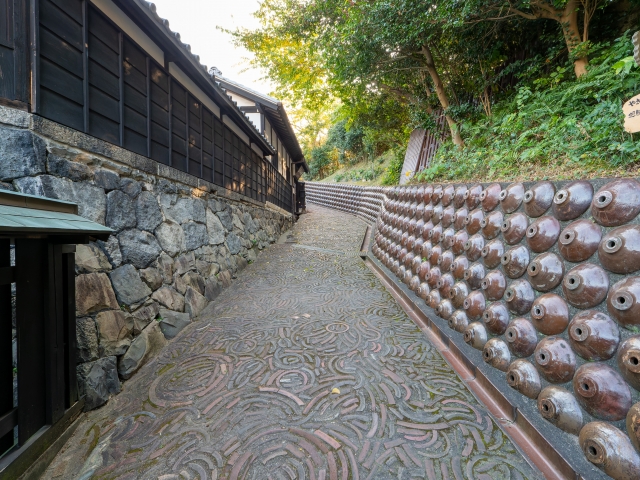
Today, you can still see reminders of this industrial history along the Pottery Footpath.
Old chimneys, kilns, and Dokanzaka, a slope lined with ceramic pipes, all reflect the period when Tokoname was a major center of ceramic manufacturing.
Modern Tokoname ware now includes teapots, bowls, plates, vases, bonsai pots, interior items, and much more.
What Should You Buy? Start with a Teapot or Maneki-Neko
Once you become interested in Tokoname ware, the next question is probably:
“What should I actually buy?”
One of the best ways to choose is simply to browse the shops and see what catches your eye.
But if you want something especially representative of modern Tokoname ware, a shudei teapot or a maneki-neko lucky cat is a great place to start.
For a Classic Tokoname Souvenir: A Shudei Teapot
If you want to take home one ceramic item that feels distinctly Tokoname, a shudei teapot is probably the best choice.
As mentioned earlier, shudei teapots are known for their characteristic reddish-brown appearance, created using iron-rich clay.
There are many different styles, from simple everyday teapots to handcrafted pieces made by individual artisans and ceramic artists.
Comparing their shapes, sizes, colors, textures, and details is part of the fun.
They’re a particularly good souvenir for people who enjoy Japanese tea, but they also make a beautiful reminder of a trip to Japan.
Since a kyusu is a practical tool for making tea, don’t choose only by appearance.
It’s also worth checking its capacity, weight, handle, and how comfortable it feels in your hand.
For a Very Japanese Souvenir: A Maneki-Neko
Another classic Tokoname item is the maneki-neko.
These lucky cat figures raise one front paw and are traditionally associated with good fortune and business prosperity in Japan.
Interestingly, the meaning is slightly different depending on which paw is raised.
Generally:
- Right paw raised: believed to attract money and good fortune
- Left paw raised: believed to attract people and customers
In Tokoname, you’ll find everything from traditional maneki-neko to tiny cute versions and modern designs.
Smaller ones are easy to take home, making them a particularly convenient souvenir for international travelers.
And you won’t only find cats inside shops.
Walk around Tokoname and you’ll notice cats appearing throughout the town.
Looking for your favorite maneki-neko can be part of the sightseeing experience itself.
chita local guideI have a maneki-neko at home too. I bought this one along the Pottery Footpath introduced below, and it’s still one of my favorites!
Where to Buy Tokoname Ware: 2 Easy Options
Want to see Tokoname ware in person and actually buy something?
Two convenient options are AEON MALL Tokoname and the Pottery Footpath.
Both are easy to reach by train from Chubu Centrair International Airport, but they offer very different experiences.
If you have limited time, want an easy shopping experience, or the weather isn’t great, AEON MALL Tokoname is the easier choice.
If you’ve come all the way to Tokoname and want to walk through the historic pottery town while visiting workshops and shops, head to the Pottery Footpath.
AEON MALL Tokoname: Easy Shopping Near Rinku Tokoname Station
(常滑イオン外観)
If you want to buy Tokoname ware but don’t have much time for sightseeing, AEON MALL Tokoname is a convenient option.
This large shopping mall is located just a short walk from Meitetsu Rinku Tokoname Station.
It’s easy to reach from Centrair, and because everything is indoors, it’s also comfortable on rainy days or during Japan’s hot summer weather.
For Tokoname ware, head to Tokoname.com on the first floor.
The shop sells a variety of Tokoname products, including teapots and maneki-neko.
There’s an especially good selection of lucky cats, making it a useful place to look for a distinctly Japanese souvenir.
You’ll also find other souvenirs from the Chita Peninsula and various cat-themed products.
AEON MALL Tokoname itself has a food court, restaurants, and many other stores, so it’s also a good choice if you’d like to combine pottery shopping with a visit to a Japanese shopping mall.
Tokoname.com
Location: 1F, AEON MALL Tokoname
Opening hours: 10:00–21:00
Nearest station: Meitetsu Rinku Tokoname Station
Important: Rinku Tokoname Station and Tokoname Station are different stations.
Use Rinku Tokoname Station for AEON MALL Tokoname and Tokoname Station for the Pottery Footpath.
chita local guideIf you only want to buy Tokoname ware, about 30 minutes at AEON MALL Tokoname can be enough. But you may find yourself wanting to explore the other shops too! Depending on your pace, you can easily spend two or three hours here.
Pottery Footpath: Shop for Ceramics While Exploring the Town
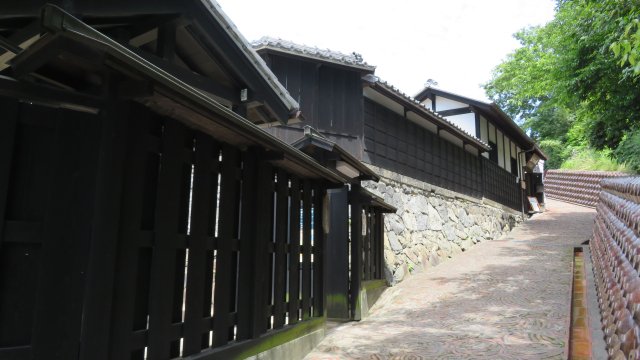
The Tokoname Pottery Footpath is one of the city’s best-known sightseeing areas.
If you have enough time, this is the option I recommend most.
From Meitetsu Tokoname Station, it takes around 5–10 minutes on foot to reach the starting area.
You can first stop at the Tokoname Tourist Information Center / Tokoname Ceramic Hall, pick up a walking map, and begin exploring from there.
Tokoname ware is also sold inside the Ceramic Hall itself.
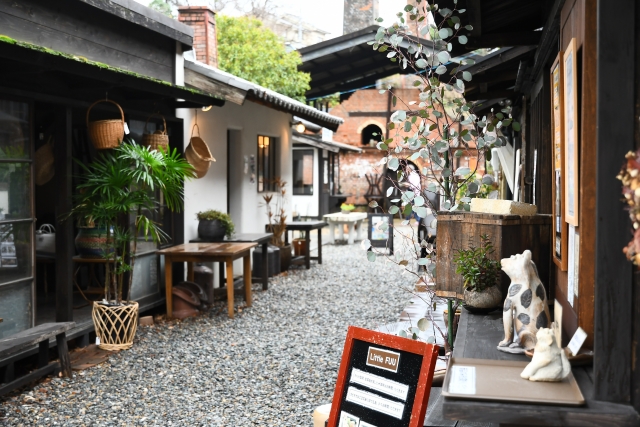
Along the Pottery Footpath, you’ll find pottery shops, galleries, kilns, workshops, cafés, and other small businesses scattered throughout the historic streets.
Unlike shopping in a large mall, here you can actually walk through Tokoname’s pottery district and stop whenever a shop catches your attention.
It’s especially good for travelers who want to browse work by individual craftspeople and artists, compare different styles, or spend time looking for one special piece.
And shopping is only part of the experience.
Historic brick chimneys, old kilns, ceramic-lined slopes, and other scenery remain throughout the area, reflecting Tokoname’s long history as a pottery town.
If you want to do more than simply buy Tokoname ware — and actually experience the atmosphere of the town where it has been made for centuries — the Pottery Footpath is the place to go.
chita local guideThe Pottery Footpath has a traditional Japanese atmosphere that makes it enjoyable even before you start shopping. If you really want to take your time comparing Tokoname ware and choosing something special, this is where I’d go.
If You Have Time, Try a Pottery Experience
If looking at Tokoname ware makes you want to try making something yourself, there are also plenty of pottery experiences available around the city.
Depending on the workshop, you may be able to use a pottery wheel, make ceramics by hand, or paint your own maneki-neko.
Making something yourself can give you a much closer connection to Tokoname ware and Japanese pottery culture.
However, there’s one important thing international travelers should know.
Ceramic pieces made during pottery workshops often cannot be taken home immediately.
They usually need time to dry and be fired in a kiln, so completion may take several weeks.
If you’re visiting Japan from overseas, make sure to check in advance how the finished piece can be collected or delivered.
Some experiences, such as certain maneki-neko painting activities, may allow you to take your finished item with you on the same day.
Enjoy Tokoname Ware Through Both Shopping and Exploring
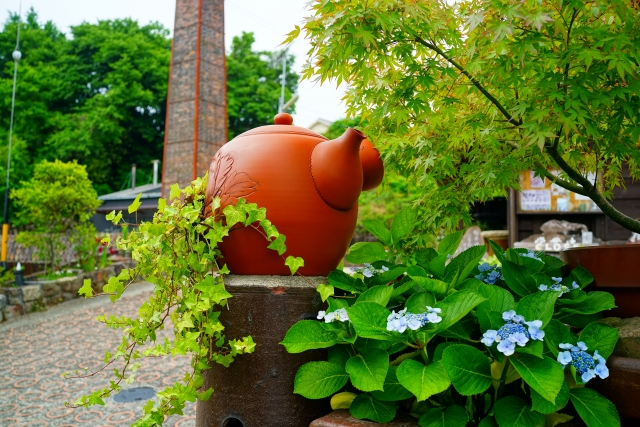
Tokoname ware is one of Japan’s most historic ceramic traditions, with around 1,000 years of history.
Buying a classic shudei teapot or maneki-neko can be a great experience on its own.
But if you’ve made it to Tokoname, it’s also worth spending some time exploring the town where these ceramics have been produced for centuries.
Walking along the Pottery Footpath lets you see old kilns, chimneys, and slopes built using ceramic pipes — reminders of how closely pottery has been connected to everyday life in Tokoname.
If you have more time, you can browse shops and galleries, stop at a café, or even try making pottery yourself.
And if you only have a short amount of time before a flight at Centrair, you can still take a quick trip around Tokoname Station or stop at AEON MALL Tokoname to shop for local ceramics.
Centrair is very close to the city.
So if your schedule allows, travel just a little beyond the airport and explore Tokoname — a Japanese pottery town with around 1,000 years of history.